

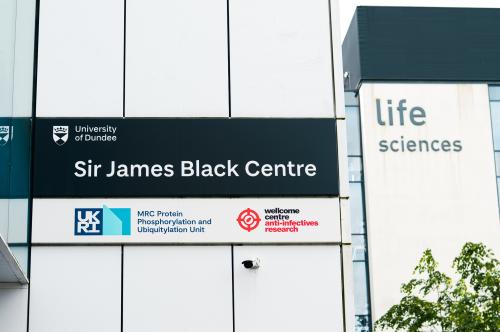
The government’s Science and Technology Secretary, Peter Kyle, has announced a further five-year funding boost from the Medical Research Council (MRC) to continue our vital work. …more
News
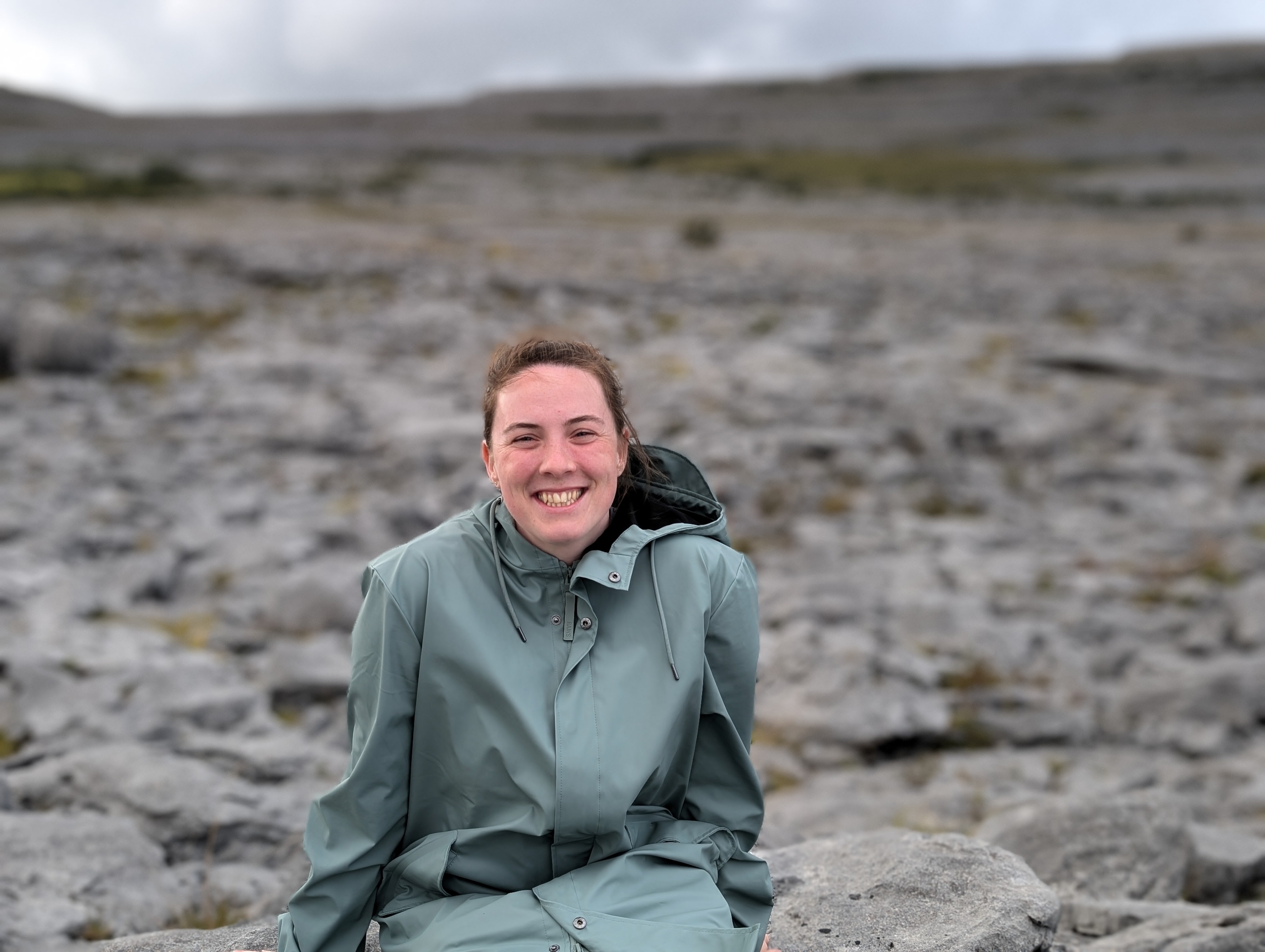
Rachel O’Dea has been awarded a highly competitive and prestigious postdoctoral fellowship that will allow her to join the laboratory of Professor Yogesh Kulathu at the MRC PPU. Her application was successfully evaluated by the European Commission during the most recent Horizon Europe Marie Skłodowska-Curie Action (MSCA) Postdoctoral Fellowship call.
…more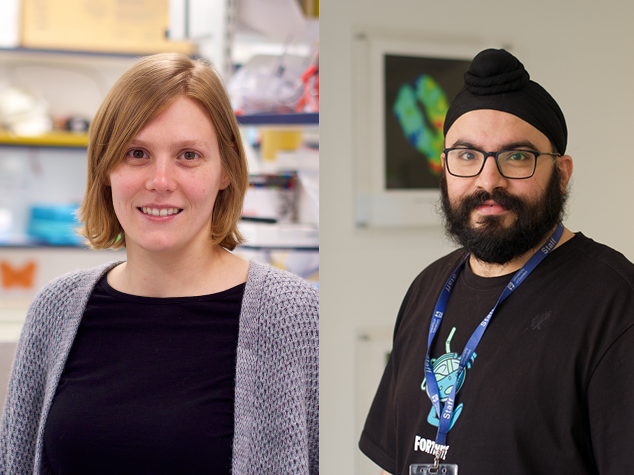
Newly published research from the Swamy lab reveals how intestinal immune cells combat Salmonella infection, using specialized killer molecules called Granzymes. …more
Many thanks to visiting student Aoife McDarby for sharing why she’s undertaking a summer research project in the MRC PPU and how she’s including the lived experience perspective in her research.
…more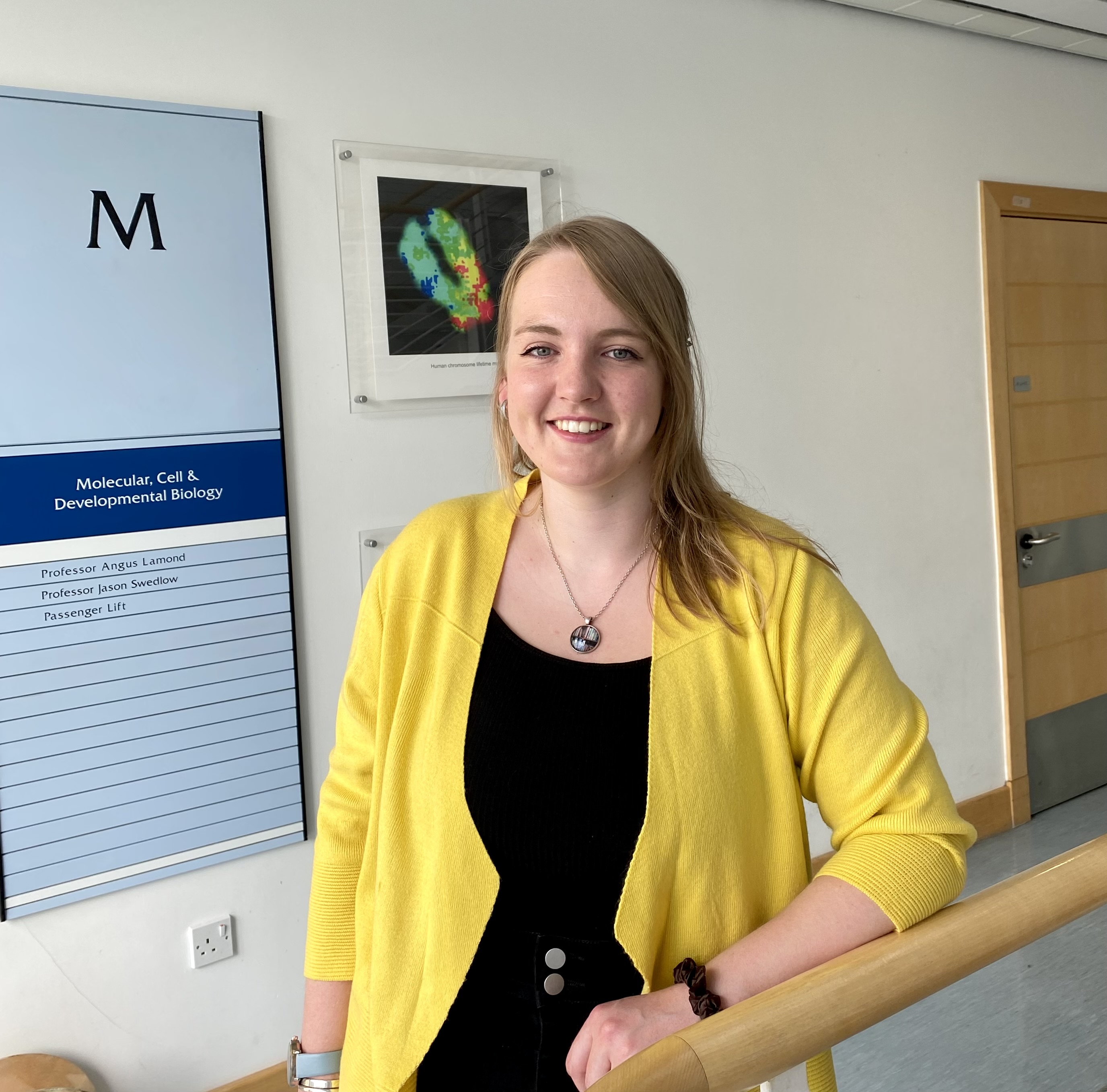
In a new discovery, scientists from the Sapkota lab, in collaboration with a team of clinicians led by Dr. Amaia Lasa-Aranzasti at Vall d'Hebron University Hospital in Barcelona, have uncovered how a novel a genetic mutation is responsible for causing a rare skin disorder known as palmoplantar keratoderma (PPK).
…more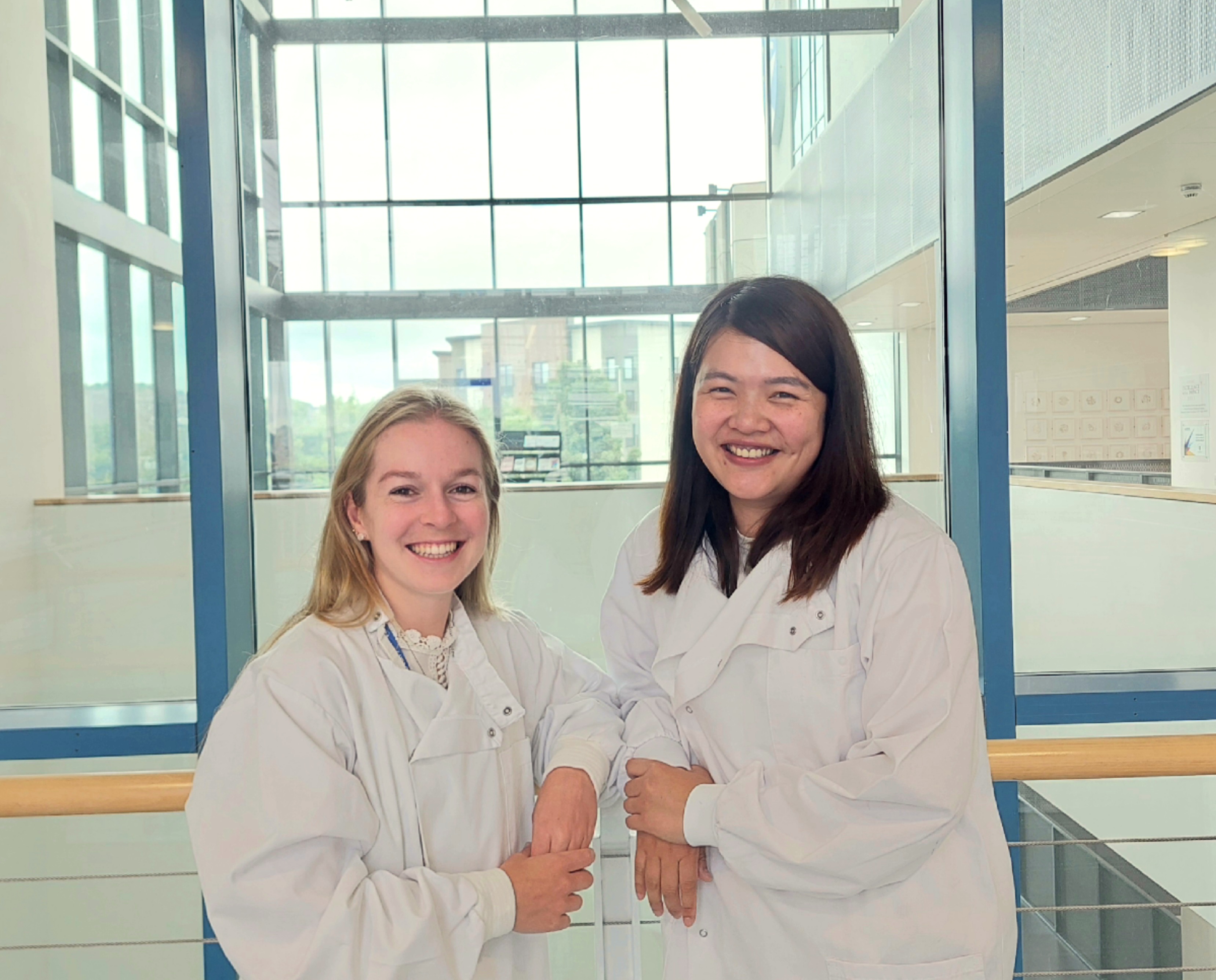
In a remarkable advancement for rewiring cellular signalling, researchers from the Sapkota Lab have developed a novel approach to precisely control the levels of protein phosphorylation.
…more
We are delighted to announce that Ralitsa Madsen has been awarded a UKRI Future Leaders Fellowship, one of the UK’s flagship fellowship schemes for early career investigators. …more

Congratulations to Mirela Delibegovic, who undertook her PhD training in the MRC PPU in Tricia Cohen's laboratory from 1999 to 2003, who has been appointed by the First Minister of Scotland and His Majesty the King to a Regius Chair of Physiology at the University of Aberdeen. This is one of the most prestigious academic appointments in the UK academic system.
…more
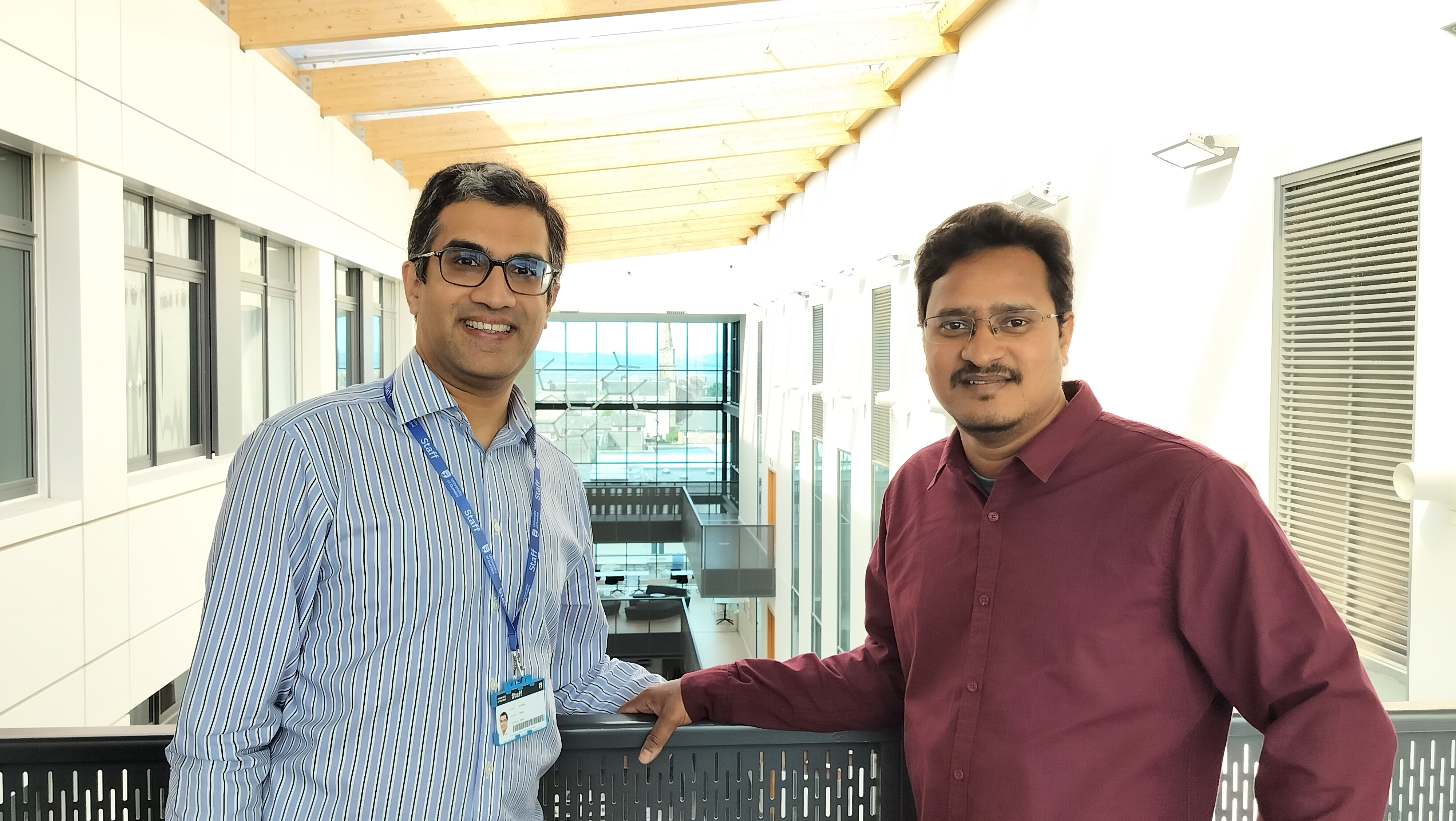
We are delighted to announce that Arpan Mehta and Raja Nirujogi, within months of being appointed as Independent Investigators at the MRC PP
…more
We are delighted to announce that Arpan Mehta and Raja Nirujogi, within months of being appointed as Independent Investigators at the MRC PP
…more